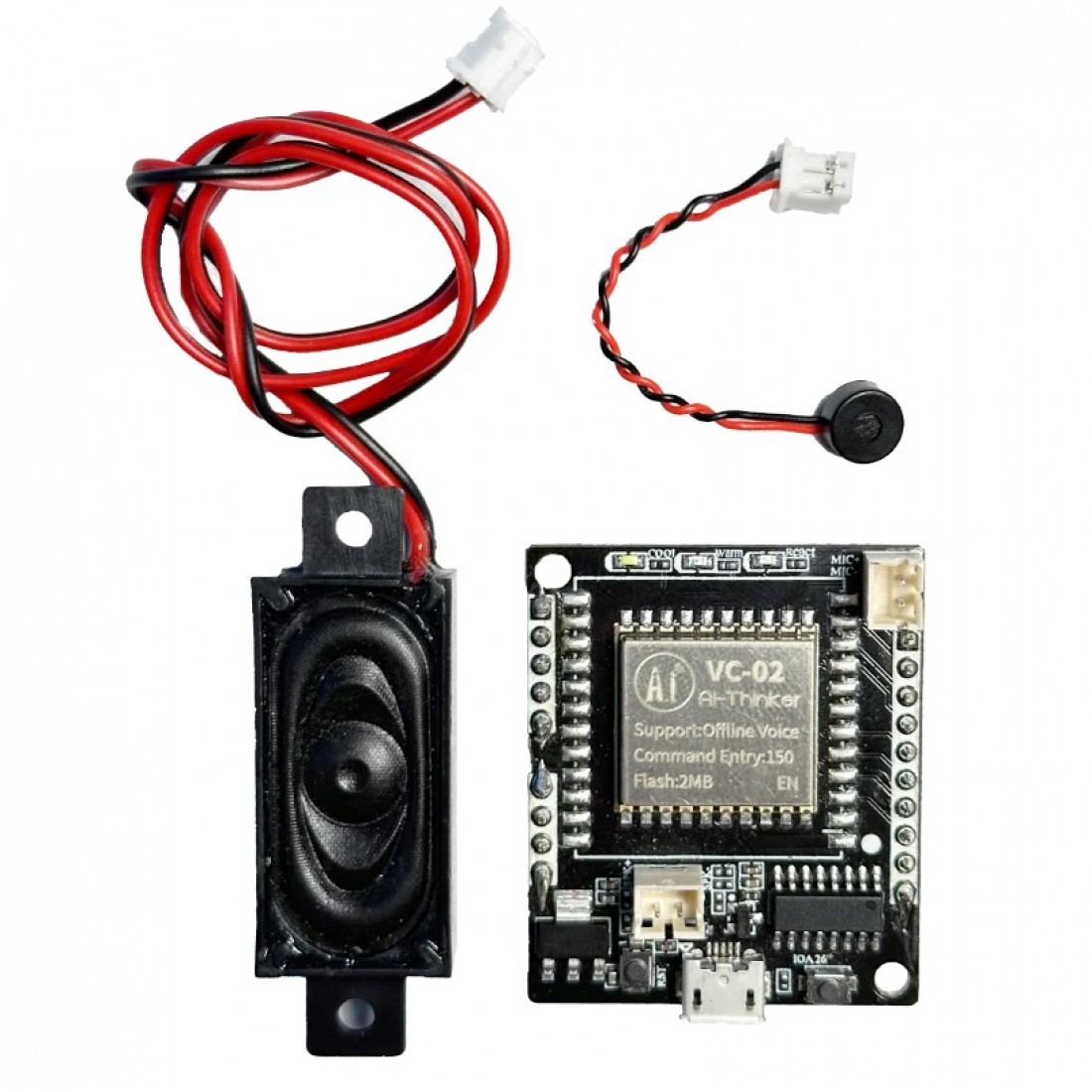
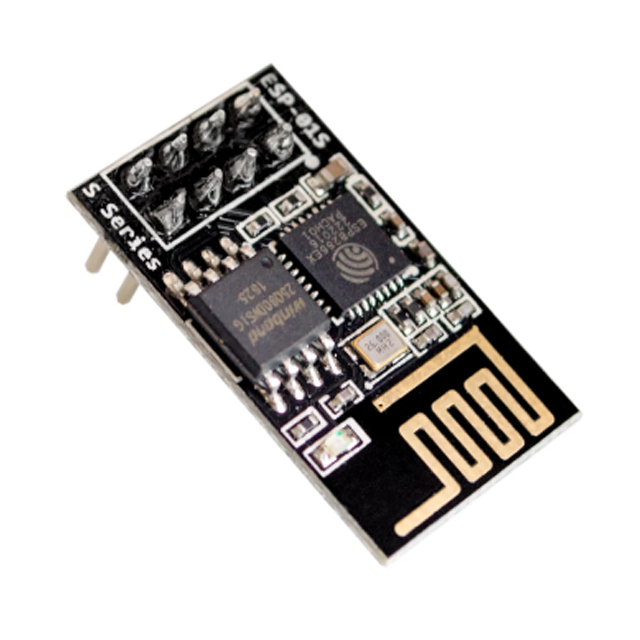
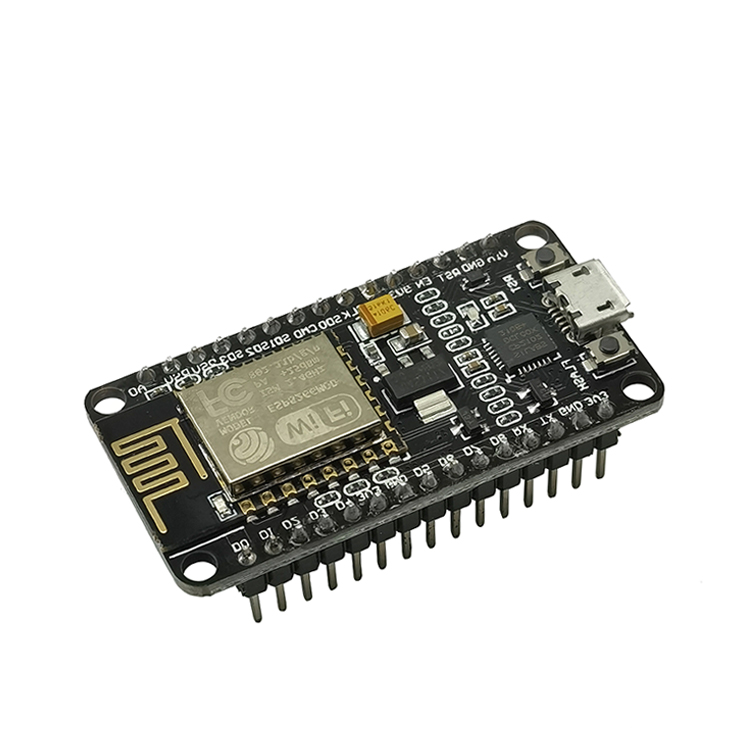
Ai-Thinker VC-02 Offline Speech Recognition Control Module
$38.26
$55.09
Ai-Thinker VC-02 Offline Speech Recognition Control Module The Ai-Thinker VC-02 is a cost-effective offline voice recognition module designed for voice-controlled applications without requiring an internet connection. Developed by Shenzhen Ai-Thinker Technology Co., Ltd., it is powered by the Unisound US516P6 voice chip, which integrates advanced offline speech recognition algorithms for fast and accurate command execution. The VC-02-Kit development board shares the same hardware design as the VC-01-Kit and includes an onboard CH340C USB-to-Serial converter for easy debugging, firmware upgrades, and development. It also features status indicators, wake-up light, and lamp/cooling control outputs, making it ideal for rapid prototyping. Supporting up to 150 local offline voice commands, the VC-02 runs on a lightweight RTOS and provides rich peripheral interfaces for easy integration into embedded systems. With a 32-bit RISC core, DSP instructions, FPU, and FFT accelerator, it delivers powerful voice processing performance at an ultra-low cost. Key Features Supports up to 150 offline voice commands Fully offline speech recognition (no cloud, no internet) All GPIOs configurable as external interrupts & wake-up sources 32-bit RISC core running at up to 240MHz Integrated DSP instruction set, FPU, and FFT accelerator 242KB high-speed SRAM 2MB onboard Flash memory Dual-channel DAC output One full-duplex UART (up to 3Mbps) Supports I2C, DAC, PWM, and multiple peripheral interfaces Lightweight RTOS system Onboard CH340C USB-to-UART for debugging and firmware updates Status LEDs for easy monitoring and development Use-Case Examples �� 1. Smart Home Voice Control Voice-controlled lights, fans, and switches Offline operation ensures privacy and reliability Example commands:“Turn on light”, “Fan off”, “Night mode” �� 2. Voice-Controlled Lamps Touch-free lamp control for bedrooms or kids’ rooms Wake-up light and brightness control using voice commands �� 3. Small Home Appliances Voice control for appliances like air coolers, heaters, or purifiers No dependency on Wi-Fi or mobile apps �� 4. Toys & Interactive Devices Voice-responsive toys and educational kits Ideal for low-power, offline environments �� 5. 86-Type Wall Switch Boxes Smart wall panels with local voice recognition Works even during internet outages Basic Wiring Overview Power Connection VCC → 5V (via USB) or regulated supply as per board specification GND → Common ground UART Communication (for configuration & debugging) TX (VC-02) → RX of USB-to-Serial / MCU RX (VC-02) → TX of USB-to-Serial / MCU Baud rate: configurable (up to 3Mbps) GPIO Output (Example: Controlling a Relay or LED) GPIO Pin → Relay module / transistor input GND → Common ground Use GPIO to trigger appliances based on voice commands DAC Output (Optional) DAC1 / DAC2 → Audio amplifier / speaker module Used for voice feedback or sound prompts ⚠️ Note: Use proper level matching and relay modules when controlling high-voltage appliances. Applications Smart home automation Voice-controlled lighting systems Household appliances Toys and educational kits Embedded voice control projects DIY electronics & IoT development Pin Description Power Pins VCC / 5V – Power supply input (USB or regulated 5V) GND – Ground UART Interface TXD – UART transmit (connect to RX of USB-Serial or MCU) RXD – UART receive (connect to TX of USB-Serial or MCU)✔ Used for firmware upload, debugging, and configuration GPIO Pins GPIO1 – GPIO5 Can be configured as: Output (relay, LED, fan, lamp control) Input (button, sensor) External interrupt Wake-up source Audio Output DAC1 / DAC2 Dual-channel DAC output Connect to audio amplifier or speaker module Used for voice prompts and feedback Example Wiring: Voice-Controlled Light VC-02 GPIO1 ──► Relay IN VC-02 GND ──► Relay GND VC-02 VCC ──► Relay VCC Voice Command: “Turn on light” → GPIO1 goes HIGH → Relay ON Example Wiring: UART Debugging VC-02 TXD ──► USB-Serial RX VC-02 RXD ──► USB-Serial TX VC-02 GND ──► USB-Serial GND ⚠️ Important Notes Do NOT connect GPIOs directly to high-voltage devices Always use relay modules or opto-isolators Ensure common ground between VC-02 and external modules